
Can you think of a book with a translator character in it? How do translators end up in novels and films? And why do these stories matter, anyway? This essay gives an overview of what is known about the phenomenon of fictional translators, synthesising existing patterns and ways of reading translator stories.
Detectives, Doctors, and Translators
If a voracious reader of detective stories found themselves short of books offering that combination of thrills and lightbulb moments and asked a librarian or a bookshop assistant for help, they may easily get a list of recommendations much longer than expected. The bookshop itself would probably have a dedicated section. From the work of Arthur Conan Doyle to that of Andrea Camilleri and Jo Nesbø, detective fiction spans the centuries as it does different historical and geographical contexts. Even when applying more specific filters to their search or shifting from written narratives to audiovisuals, results are still likely to abound. It is also likely that, by now, readers have grown fond of specific characters and got used to their quirks.
Inspector Salvo Montalbano exemplifies this point, with Italian audiences being somewhat familiar with him even if they have never read a book by Camilleri or watched the series. Would it be as easy to think of narratives, whether written, performed, audiovisual or interactive, placing other professional categories so center stage? Are there other professional groups who have become so embedded in a genre to gradually be defining of the genre in question? Thinking of English-language examples, medical professionals come to mind, ranging from series like Grey’s Anatomy and The Pit. We could add the more or less well-adjusted scientists populating science fiction, to begin with Frankenstein.
If a reader asked for books representing translators or interpreters as characters, recommendations may not arrive as promptly (or at least that was my own experience as a doctoral researcher looking for translator stories in contemporary Italian literature). Bookshops do not typically have shelves allocated to translator stories, which feeds into translators’ proverbial invisibility. Perhaps readers do not associate the figure of the translator with particularly gripping adventures. There is room for speculation here. Although they may not immediately come to mind, stories incorporating acts of translation and fictionalising translators as characters have a centuries-old tradition.
Transfiction as an Academic Subject
Early examples of translator stories can be traced back to the transmission of divine messages in epics and sacred texts (Delabastita 2020), seeping through to Goethe’s Faust in his study struggling to translate the Gospel of John. Academic scrutiny of this phenomenon has coined the term “transfiction” to denote it, combining translation and fiction (Kaindl 2014, 4). Some researchers have used it to refer to the stories themselves, others to this relatively new area of enquiry at the intersection of Comparative Literature and Translation Studies, with a “fictional turn” being inaugurated in 1995 (Pagano 2002). This turn was underpinned by the idea that fiction has a theoretical element to it, which can be explored to complement translation theory. While the word “turn” may evoke a drastic change within Translation Studies, transfiction remains a somewhat niche research topic. What can be observed, though, is “a veritable boom” of translator stories spanning “all genres” (Kaindl 2014, 4).
Existing research in the area has engaged extensively with how the turn of the 21st century sparked questions on globalization and fluidity in which researchers saw a rationale for a new abundance of translator figures in world literature, together with the already established conceptual categories of (post-)colonialism and postmodernism. Brian Friel’s play Translations (1980) and Italo Calvino’s novel Se una notte d’inverno un viaggiatore (If on a Winter’s Night a Traveler, 1979) encapsulate these themes, respectively, with the former staging the anglicisation of Irish toponyms, and the latter the undoing of clear distinctions between non-translated and translated materials.
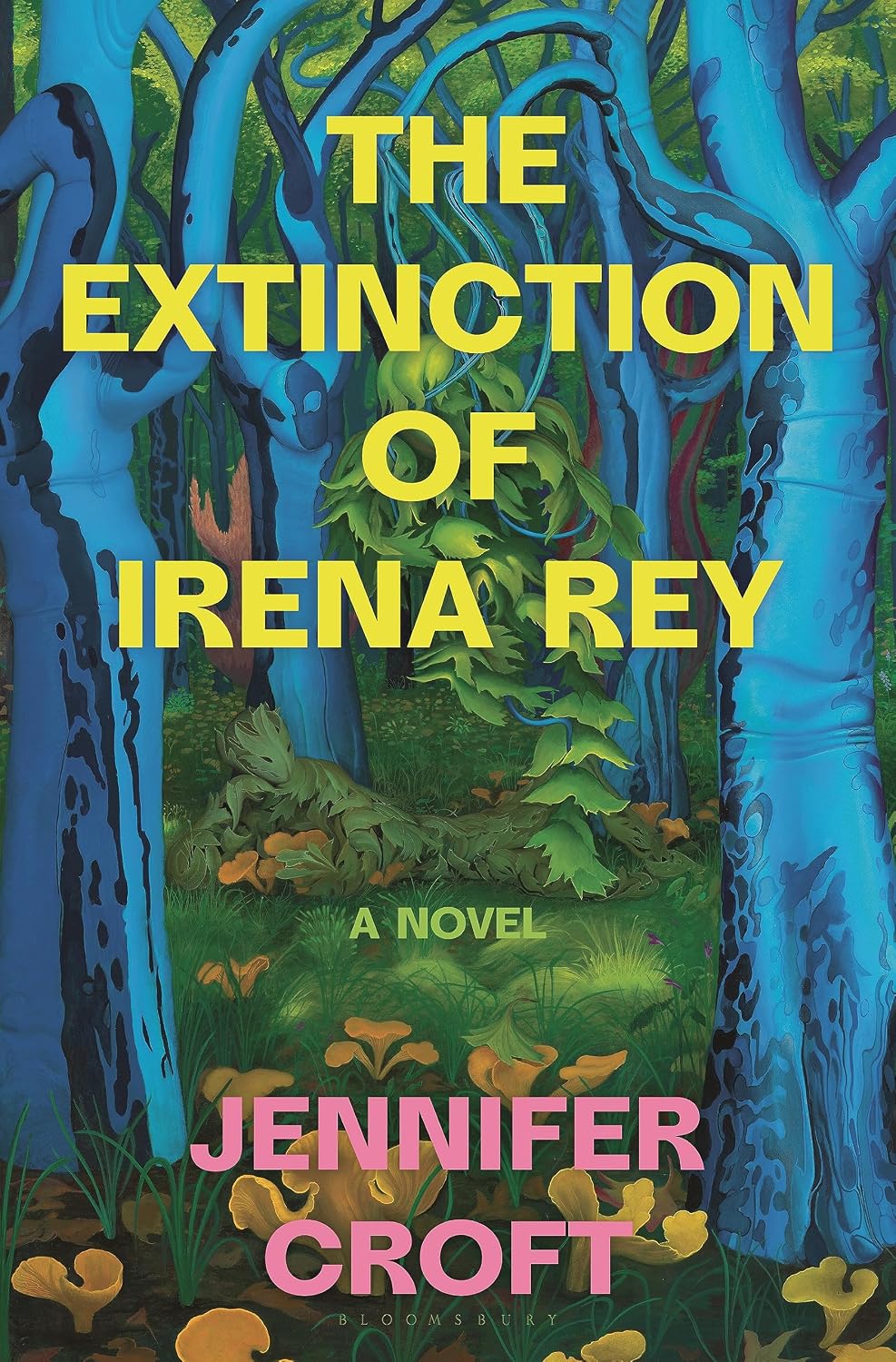
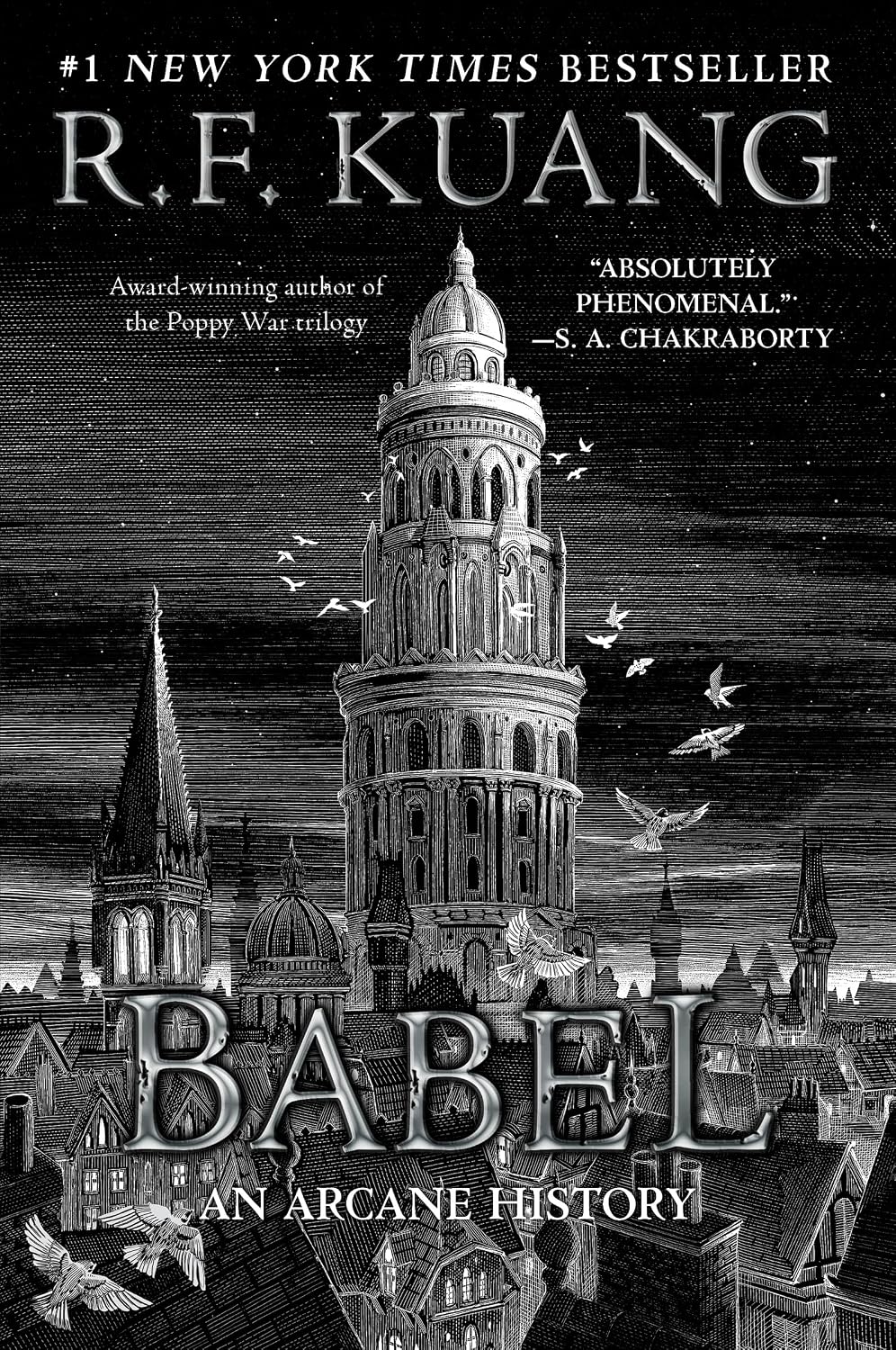
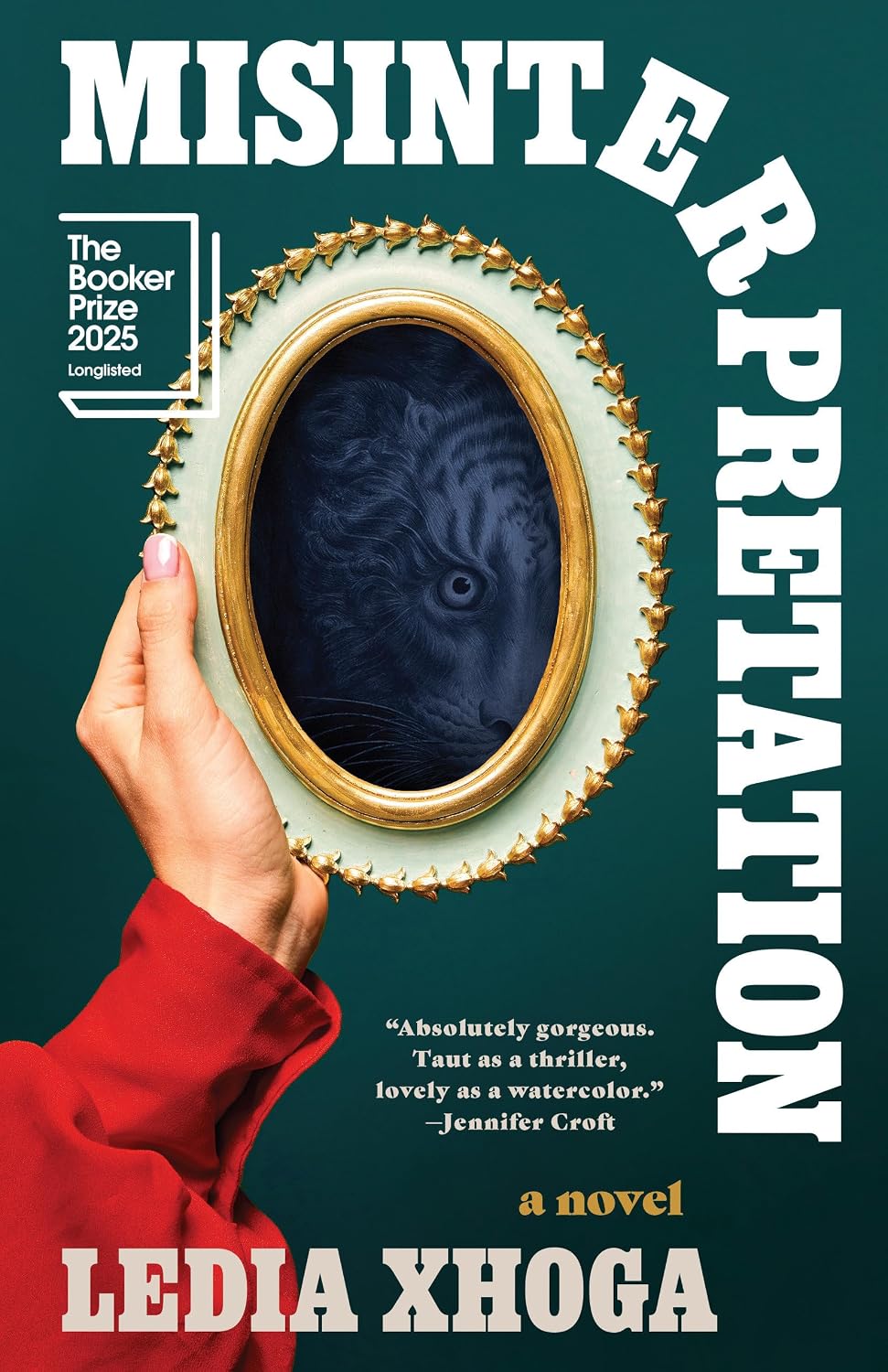
However, the phenomenon has not come to an end with these concerns. Translation continues to cross-pollinate literary imagination, whether extensively or in the form of cameo-like appearances. Narrowing the focus down to recent years, we find translation scenes and translator characters in novels, such as Babel: Or the Necessity of Violence by Rebecca F. Kuang (2022), The Extinction of Irena Rey by Jennifer Croft (2024), Misinterpretation by Ledia Xhoga, longlisted for the Booker Prize 2025, and the film Project Hail Mary directed by Phil Lord and Christopher Miller (2026). In this last example, a science teacher turned astronaut creates some sort of translation software to communicate with alien engineer, Rocky.
Due to its state of dilution within world literature, examples of transfiction have typically been retrieved and analysed through “serendipitous stumbling” (Wakabayashi 2011, 101), with the appearance of a language mediator in fiction being enough to spark academic interest. Research in transfiction has teased out a number of themes and functions with which translator characters tend to appear. These go from gendered roles to power imbalances, from multiple identities to ethics and cultural mediation, from stereotypes to interpretation broadly conceived, not to mention (in)visibility and the shady dealings in which some of these fictional translators are often involved. A fitting example in this respect is Leonardo Sciascia’s Il Consiglio d’Egitto (The Council of Egypt, 1963), a historical novel of forgery and ambition.
These somewhat fortuitous encounters with transfiction have led researchers to adopt the case study design, which by nature precludes systematic syntheses to focus on one or a small number of stories. One of the consequences of this approach is that what we know about the phenomenon today is still largely dependent on scattered examples. However, also based on the first meta-analysis of transfiction research (Bergantino 2026), some recurring patterns can be identified.
Transfiction Writers
Besides deconstructivist and postmodern writers’ experiments with writing and using translation-related practices as a catalyst, there is a correlation between translation as a theme and the work of other groups of writers.
A well-known pattern is that transfiction authors are often translators, too, which suggests that some inspiration for writing transfiction stems from their first-hand experience, whether rendered autobiographically or fictionalised. This observation raises questions about possible differences in the representation of translation by translator writers and non-translator writers. It also touches on issues of perception, more specifically of what translation-related tropes in fiction may be taken as clichés by readers with an understanding of translation and as something unexpected by readers who have never really thought about what translators do. Aspects like frustrated writerly ambitions, professional isolation, and little remuneration might be perceived in different ways by different readers, including sheer characterisation, talking points, irony or criticism towards the assumptions of what translation entails.
The second category of writers often depicting translator characters or acts of linguistic mediation is that of exophonic or translingual writers. The terms “exophony” and “translingualism” are used to refer to authors who adopt a new language for literary creation. Examples of these inspiring pens are plentiful. Looking at German and Italian as exophonic languages, examples include Yoko Tawada, Amara Lakhous, Jhumpa Lahiri, and Stiliana Milkova. Very often these writers conceptualise translation metaphorically as a self-transformation originating in their transnational experiences, a transformation usually described in positive terms despite all the challenges, and sometimes the forced displacement, faced along the way. Put much more elegantly, translation “is woven into the fabric of works of fiction by writers who themselves move across genres, as they do across continents, and who have chosen to put translators squarely on centre stage in innovative tales of their triumphs and travails” (Woodsworth 2021, 304). In exophonic transfiction, translation tends to be transformative and lead to enhanced creativity, rather than perpetuating the trope of equivalence and slavish replication. Processes of self-transformation are notable in exophonic transfiction like Jhumpa Lahiri’s In altre parole/In Other Words (2015) and Stiliana Milkova’s Storia delle prime volte (2022), where the autobiographical component is notable.
A third group can be identified if the border between fiction and certain forms of non-fiction such as life writing is interrogated in its porosity. This group includes translators who write their own translation memoir, a phenomenon that has gained traction in recent research (Grass and Robert-Foley 2024) and is well exemplified by Kate Briggs’s This Little Art (2017/2021), Polly Barton’s Fifty Sounds (2021), Daniel Hahn’s Catching Fire (2022) and Jen Calleja’s Fair: The Life-Art of Translation (2025).
Why Translator Stories Matter
Translation is often taken for granted, at different levels. Translated texts are frequently perceived as a replica of their sources, so translation becomes moot. Closely bound up with this aspect is the tendency to think of translated texts as something automatic, forgetting about the people investing considerable effort into writing translations. When read critically, transfiction can expose a wealth of cultural dynamics. These representations can be read as a reflection of how society at large understands translation.

A point raised repeatedly by transfiction scholars is that translator stories can counterbalance the translator’s notorious state of invisibility. Together with social media campaigns, dedicated book clubs, and literary events and awards, these narratives can unpack layers of invisibility, ranging from lack of professional recognition to physical seclusion. Fictional and fictionalised representations may work as a way of drawing readers’ attention to the professionals that make world literature possible. Recently, Caroline Summers has expanded on this point, arguing that “translators’ accounts and representations of their practice can be seen as a bid to engage readers, authors, editors, and a wider population in the recirculation and accrual of narratives that support a view of translation as social, embodied creativity” (2026, 181). Summers’s research is an example of how to go beyond the traditional remit of transfiction research by connecting fiction with real-world phenomena. This way, it significantly reinforces the possibility that transfiction can work as a bridge not only between authors and readers, but also literary translation practitioners and researchers in Translation and Translator Studies.
In time, transfiction and forms of professional translator life writing may lead to challenging the opening paragraph of this essay, perhaps raising awareness among non-specialists of such a ubiquitous yet often unnoticed practice as translation. New research avenues in transfiction may well trail this direction, not only identifying new categories of transfiction, but also making this phenomenon useful for Translation Studies more generally. One way of achieving this goal is triangulating transfiction with other materials, such as participatory research and non-fiction (Bergantino 2026). Ultimately, future research may go beyond existing research limitations, for instance by exploring and finding ways of quantifying the social impact of transfiction and, more broadly, translator narratives, rather than relying exclusively on personal interpretations.
Andrea Bergantino is Research Fellow at the Trinity Centre for Literary and Cultural Translation. He was awarded his PhD in 2025 by Trinity College Dublin, where he has taught Italian language and culture, as well as on the MPhil in Literary Translation. Much of his research to date has focused on the fictional representation of translators in creative texts, with other research interests including Translator Studies and literary translation practice. Andrea’s current research project focuses on contemporary Literary Translation Studies pedagogies. https://orcid.org/0000-0002-8567-7568
Works Cited
Barton, Polly. 2021. Fifty Sounds. London: Fitzcarraldo.
Bergantino, Andrea. 2026. Charting Transfiction. Patterns, Open Questions, and Future Directions. Cambridge: Cambridge University Press.
Briggs, Kate. 2017/2021. This Little Art. seventh ed. London: Fitzcarraldo.
Calleja, Jen. 2025. Fair: The Life-Art of Translation. London: Prototype.
Calvino, Italo. 1979. Se una notte d’inverno un viaggiatore. Turin: Einaudi.
Croft, Jennifer. 2024. The Extinction of Irena Rey. London: Bloomsbury.
Delabastita, Dirk. 2020. “Fictional representations.” In Routledge Encyclopedia of Translation Studies, edited by Mona Baker and Gabriela Saldanha, 189-194. Abingdon: Routledge.
Friel, Brian. 1980/2012. Translations. London: Faber and Faber.
Grass, Delphine, and Lily Robert-Foley. 2024. “The Translation Memoir: An Introduction.” Life Writing 21 (1):1-9. doi: 10.1080/14484528.2023.2281044.
Hahn, Daniel. 2022. Catching Fire. A Translation Diary. Edinburgh: Charco Press.
Kaindl, Klaus. 2014. “Going fictional! Translators and interpreters in literature and film. An introduction.” In Transfiction: Research into the Realities of Translation Fiction, edited by Klaus Kaindl and Karlheinz Spitzl, 1-26. Amsterdam: John Benjamins.
Kuang, Rebecca F. 2022. Babel or the Necessity of Violence: An Arcane History of the Oxford Translators’ Revolution. New York: Harper Collins.
Lahiri, Jhumpa. 2015. In altre parole. Milan: Guanda.
Lord, Phil, and Chris Miller. 2026. Project Hail Mary. Metro-Goldwyn-Mayer.
Milkova, Stiliana. 2022. Storia delle prime volte. Rome: Voland.
Sciascia, Leonardo. 1963/2019. Il Consiglio d’Egitto. Milan: Adelphi.
Summers, Caroline. 2026. “Name the Narrator. Examining Literary Translators as Visible Activists for Translation.” In Contesting Translation. Studies in Honour of Mona Baker, edited by Jan Buts, Sue-Ann Harding and Neil Sadler, 167-186. London: Routledge.
Woodsworth, Judith. 2021. “Dressing up for Halloween. Walking the line between translating and writing.” In Literary Translator Studies, edited by Klaus Kaindl, Waltraud Kolb and Daniela Schlager, 293-306. Amsterdam: John Benjamins.
Xhoga, Ledia. 2025. Misinterpretation: Daunt Books.