
Tag Archives: Ugly Duckling Presse

Box of FAQs. CAL PAULE ON TRANSLATING DIANA GARZA ISLAS’ “BLACK BOX NAMED LIKE TO ME”
“Black Box Named Like to Me” challenges the limits of syntax and image to hold the full scope of the imaginary in its grasp, touching on questions of motherhood, the future, memory, and the acquisition of language. The page is a zone for play, here, both in my translation and the original Spanish; words and ideas undergo radical transformation to best serve the purpose of the poems, shapeshifting at will.

Against Camouflage: Jozefina Komporaly on Translating from Hungarian Melinda Mátyus’ “MyLifeandMyLife”
Melinda Mátyus’ novel in verse “MyLifeandMyLife” is one of the most original pieces of experimental fiction published in Hungarian in recent years. We are grateful to Ugly Duckling Presse for allowing us to publish here Jozefina Komporaly’s translator’s note in which she discusses Mátyus’ unique sense of grammar and syntax, and her own approach to translating it.

The Entire Egg: Susana Thénon’s Ova Completa, translated from Spanish by Rebekah Smith
By Jeannine Marie Pitas “And time ah time that disjunctive / factor that almost runs out here / and therefore impedes us / from reaching the great why / and the superhow of this thing / almost holy / so tam tam almost holy / so almost almost / almost so holy,” states Argentine poet […]
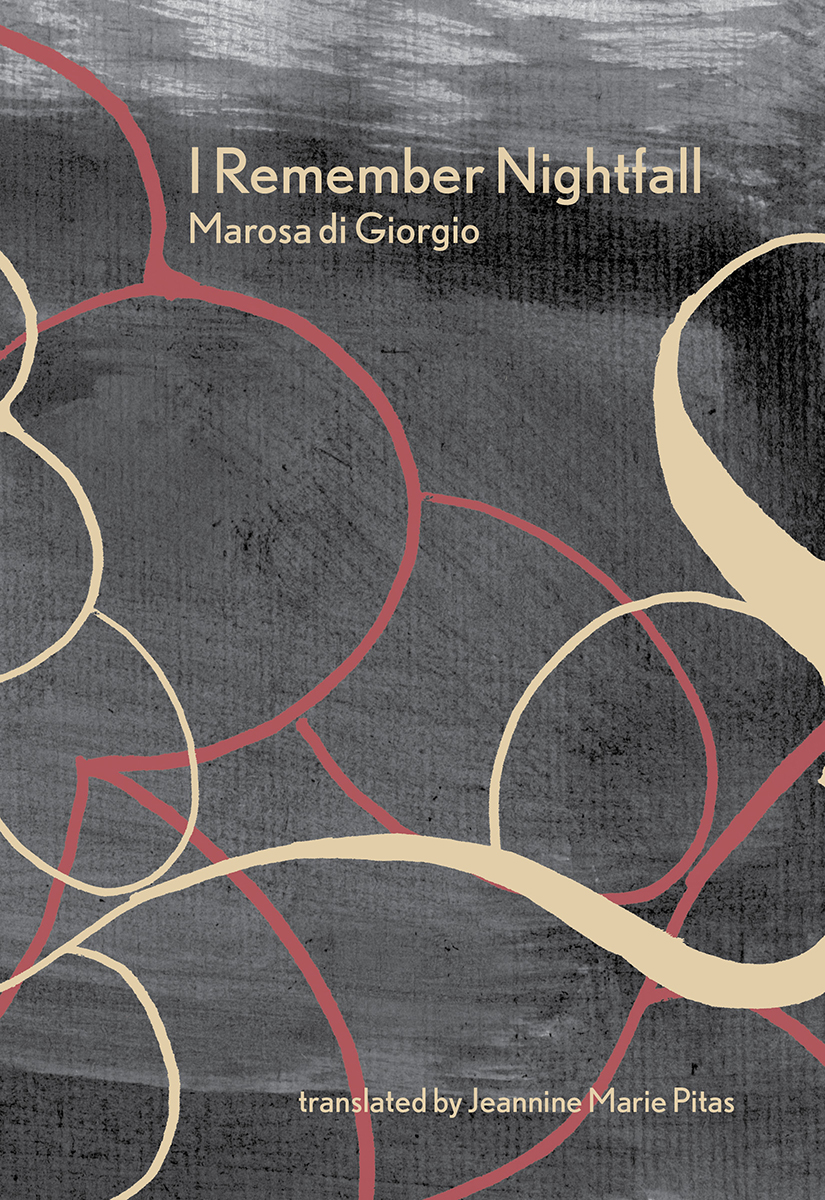
Sugar castles: I Remember Nightfall by Marosa di Giorgio, translated by Jeannine Marie Pitas
Reviewed by Jessica Sequeira The poems of Uruguayan writer Marosa di Giorgio (1932 – 2004) are luscious, dark and gorgeous — but they also leave the reader with a sickly taste, an effect similar to that following the rapid consumption of a bag of sticky sweets, gulped down one after another while in thrall to […]

Kernel of the Future: Hirato Renkichi’s Spiral Staircase, Translated by Sho Sugita
Reviewed by Jordan A. Y. Smith Spiral Staircase, an engaging collection of poems and works by the dynamo of Japanese futurism, Hirato Renkichi, ably fulfills the translator and editor’s declared mission: “providing English-language readers a focused survey of Hirato’s life-long literary output” (8). Considering the brevity of his life (1893-1922), Hirato accomplished much, experimenting with […]