

It seems hardly coincidental that Ferrante, whose own “true” identity has been the object of intense scrutiny and speculation, chooses to underscore the act of crafting a fiction about oneself.
Elena Ferrante’s new novel, The Lying Life of Adults, is intense and bitter.

The uncomfortable, ailing human body is foregrounded in this thematically dense novel, a fable about problematic motherhood and the hard labor of forging epistemological change in the 21st century.
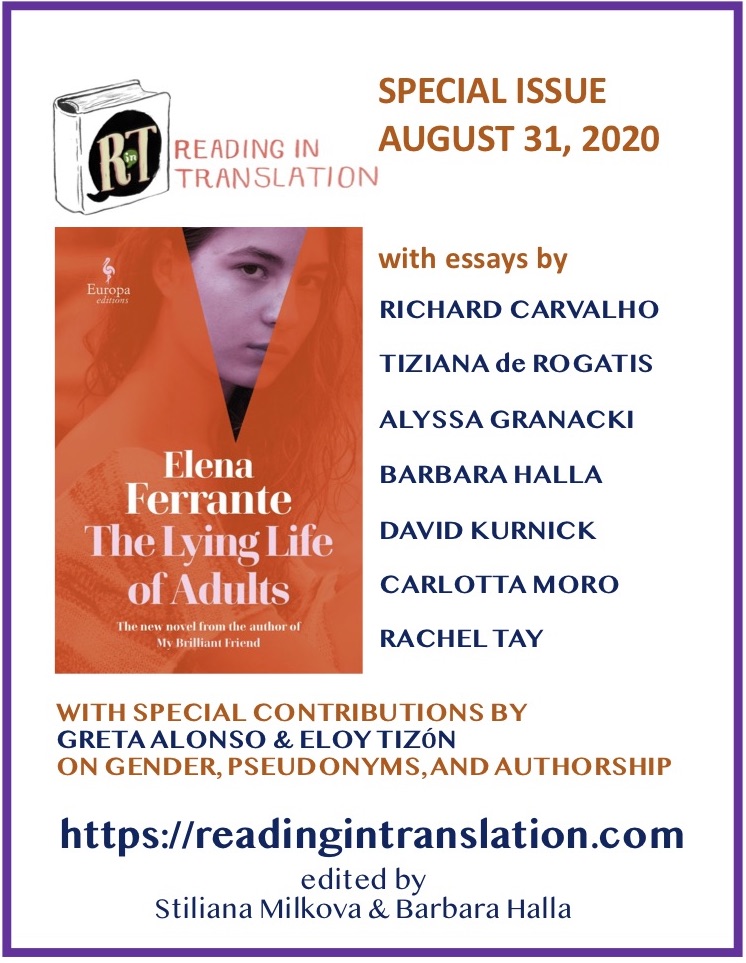
Elena Ferrante and the Question of Gender, Pseudonyms, and Authorship

A childhood home is an archive and a map. Nadia Terranova’s novel Farewell, Ghosts, in Ann Goldstein’s translation, summons the power of the house in order to dissect the relationship between self and space, memory and reality.
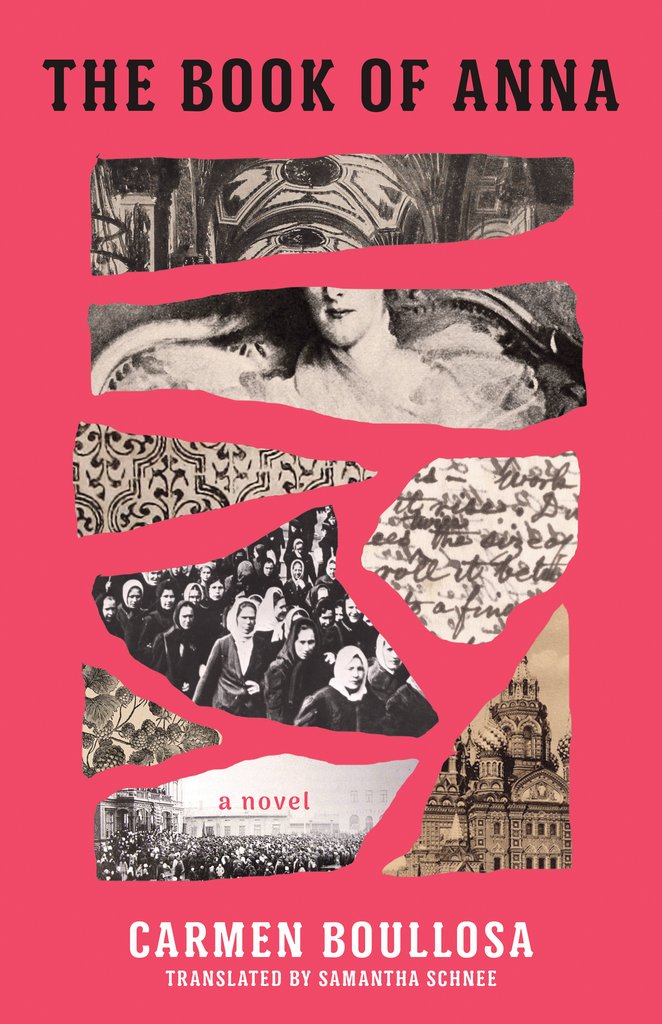
The Book of Anna hinges on a paradoxical fantasy: rescuing Anna Karenina from Tolstoy.

Baldelli’s inventiveness and skillful stylistic prowess are already noticeable in Evelina e le fate, with its vivid language adhering to a world of objects in which the characters come alive through a meddling of voices, each with its own substantive body

By Claudia Dellacasa Ema are decorated votive wooden plaques left hanging up in Japanese shrines. At a distance, they all look the same. But if one is able to read what is written on them, one can take a glimpse of a fascinating number of stories, destinies, wishes, and hopes which emerge from an ostensible […]

In Bulgarian, which I translate from, translating into a language that’s not your native tongue is colloquially known as obraten prevod, which literally means “reverse translation.” As an adjective, obraten carries the negative connotation of something abnormal or backward, something that goes against the grain, or something that simply isn’t right.
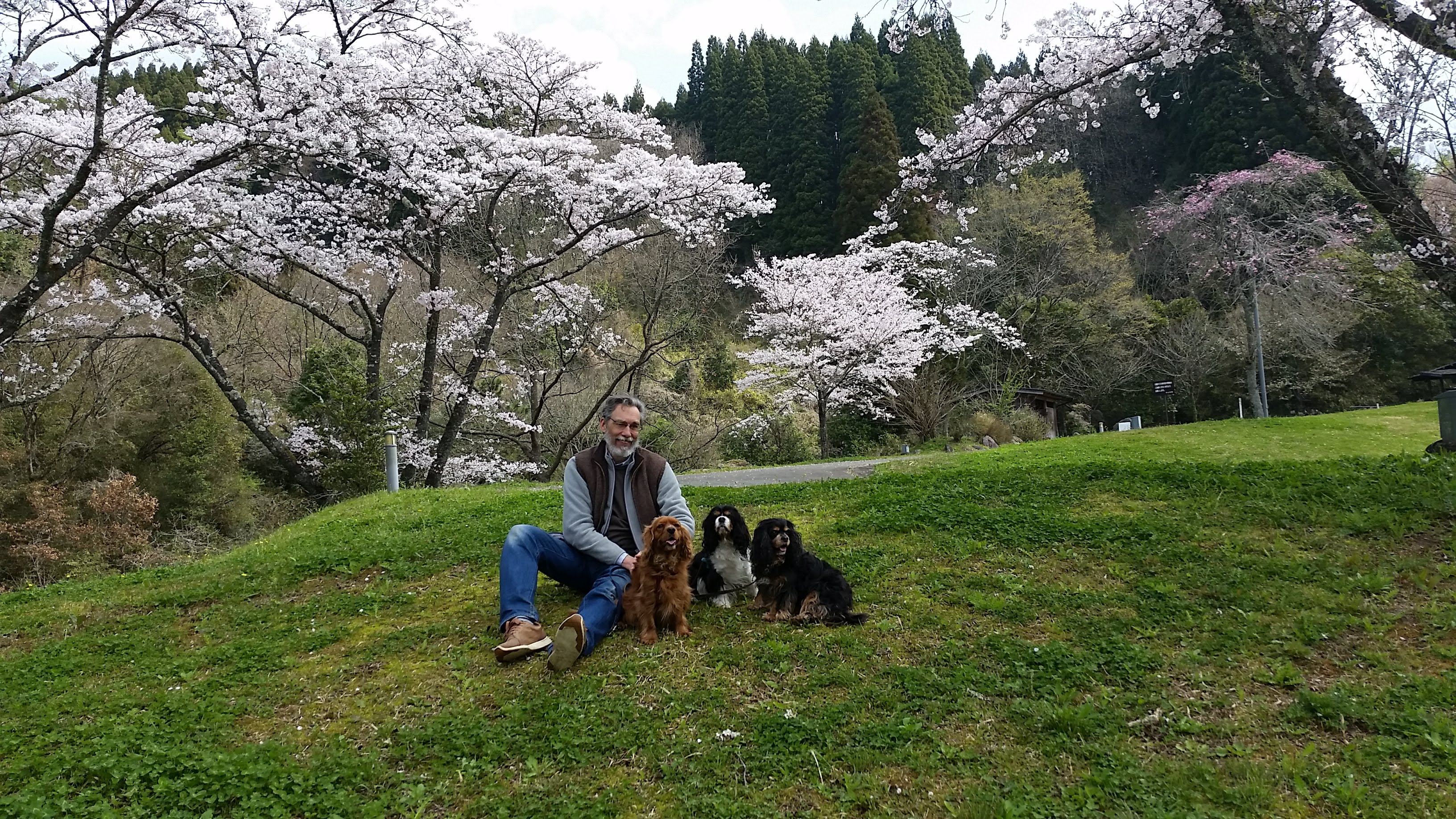
Edward Lipsett discusses what makes a good translation, why, as a small publisher, you should never give up the day job, and what life is like in rural Japan during a global pandemic.

Composed as twin originals in Spanish and French between 1928 and 1931, this roving long prose poem witnesses the perpetual, agonized yearning of separated lovers seeking one another across eternity and infinity, where they collide—gloriously—on occasion, before scattering through the universe once again.
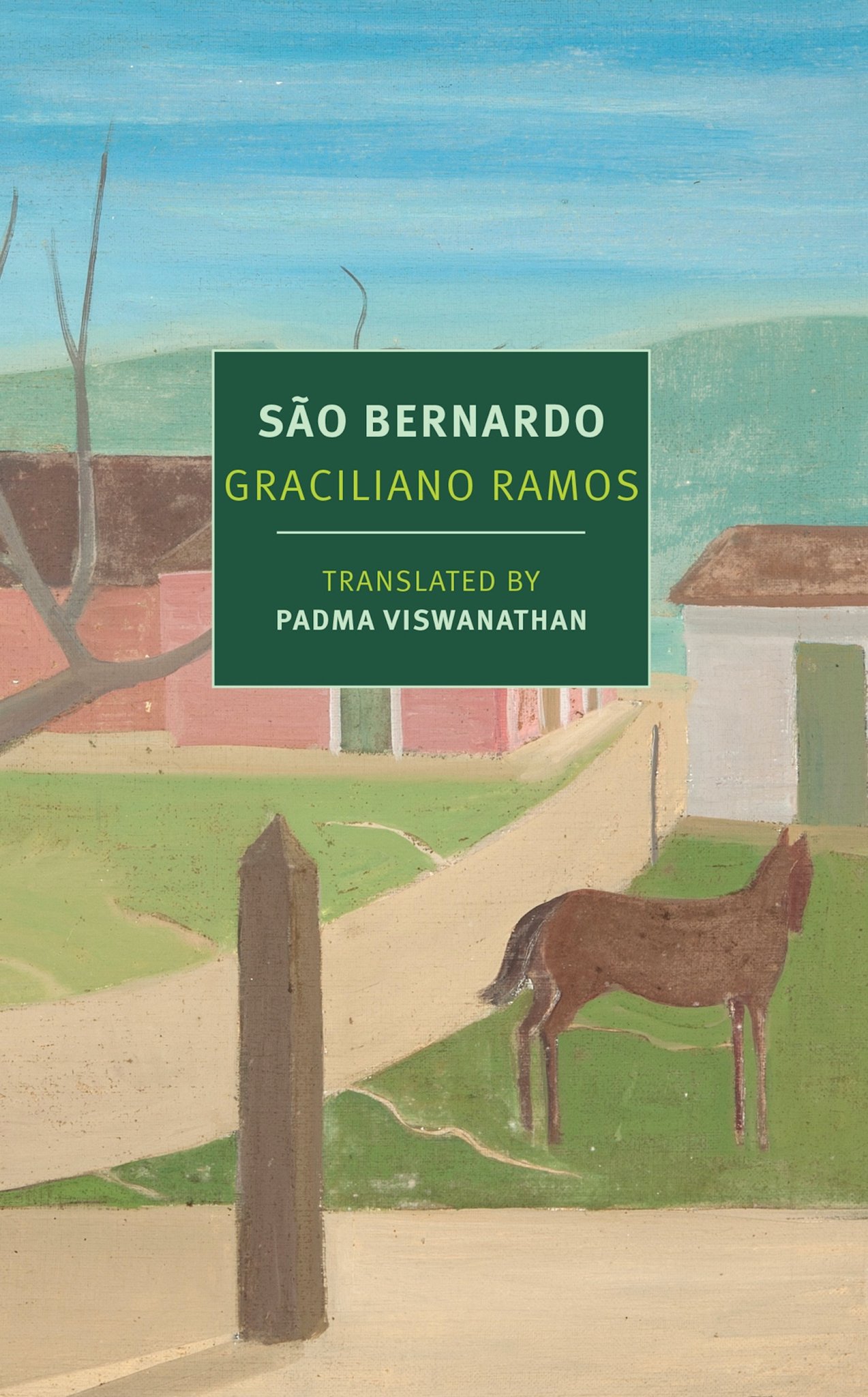
Padma Viswanathan allows readers to recognize anew the importance of community in such a precarious moment with her translation of Graciliano Ramos’ rustic satire, São Bernardo.

By Kirk Ormand Few works have been translated as often, or as with as many different poetic and political programs, as Homer’s Iliad. Kallifatides’ brief version, written originally in Swedish, is his attempt to bring the daunting epic to a new generation of readers (“Afterword,” 203). He accomplishes this by telling the story of a […]

By Patrick Powers When I first read Elizabeth Bryer’s translation of Aleksandra Lun’s debut novel, The Palimpsests, back in January, I didn’t like it very much. I didn’t know what to say about it, so I didn’t write anything. After a few months, having left for and returned home from Russia after the onset of the global pandemic, […]

By Francesco Chianese Like many other events in recent months, Turin’s Salone del Libro, the most important Italian book fair, was moved online. Although reduced in schedule and deprived of its physical venue, from May 14 to May 17 the Salone still managed to convey to its affectionate followers a sense of its original, […]