

Rather than retelling myths, in “The Leucothea Dialogues” Cesare Pavese uses them as a framework for meditations on fate, death, suffering, and the fraught relationship between gods and humans.

Very few historical fiction writers would think to take up the tale of a ninth-century disinherited crown prince on religious pilgrimage as he approaches the end of his life. Yet this is, at least on the surface, the subject Tatsuhiko Shibusawa (1928-1987) engages with in “Takaoka’s Travels,” translated by David Boyd.
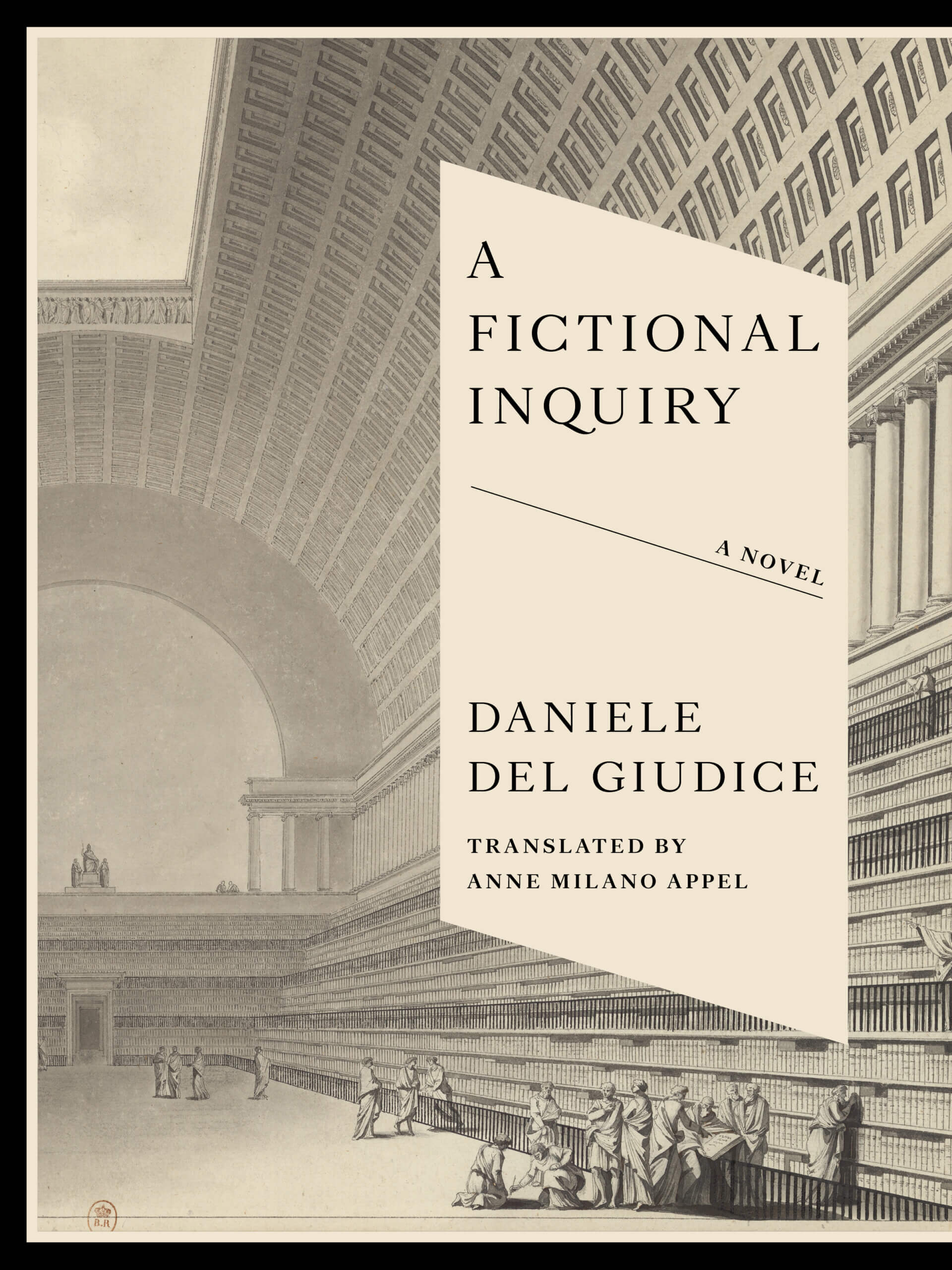
How do you write about the compelling need to write, to translate reality into narrative, while also writing about someone who decided not to write? The title of Anne Milano Appel’s English translation, published by New Vessel Press, suitably spells it out: this is “A Fictional Inquiry,” an investigation into the nature of fiction itself and its entanglements with reality.
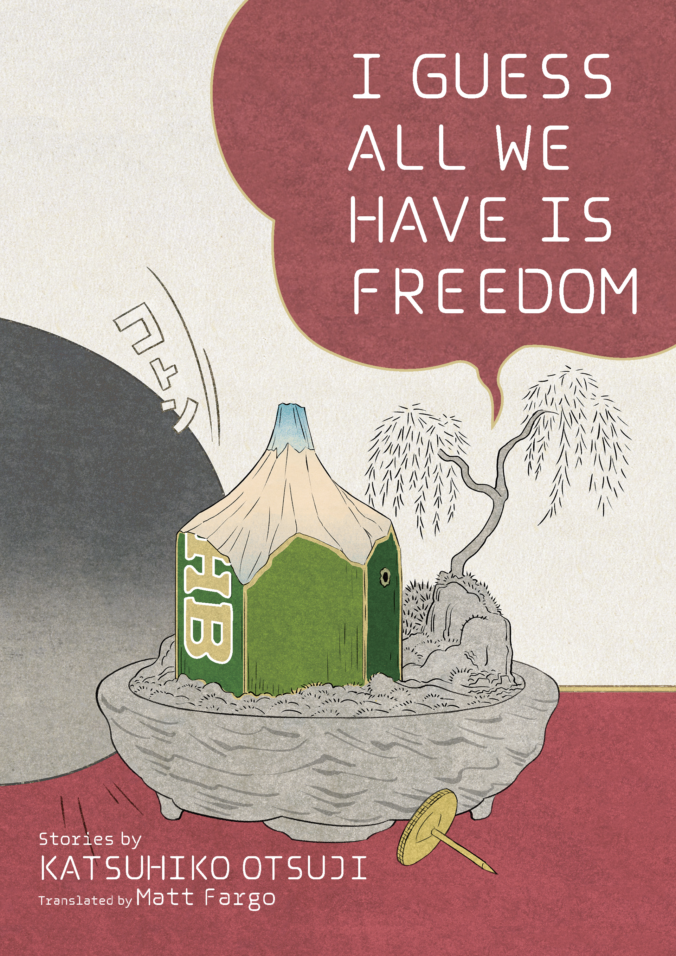
What impresses me, then, about Katsuhiko Otsuji’s “I Guess All We Have is Freedom”—translated into deliciously playful and decadent English by Matt Fargo—is the way Otsuji’s odd turns and tangents feel at once like true stream of consciousness and yet circle back in again and again upon themselves, all in the name of demonstrating how unstable our sense of reality really is.
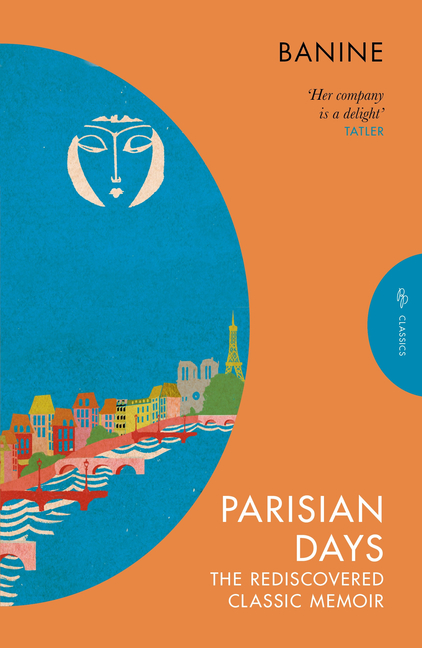
At the start of her second memoir, “Parisian Days,” Banine, a French author of Azerbaijani descent, arrives in the promised land. The year is 1921. Paris has newly entered the Roaring Twenties, a time of short respite between the two Great Wars. Banine is only nineteen, and she has just miraculously escaped her detested husband, the distant city of Istanbul where she left him behind, her homeland Azerbaijan and, perhaps most significantly, the grips of the Soviet Union.
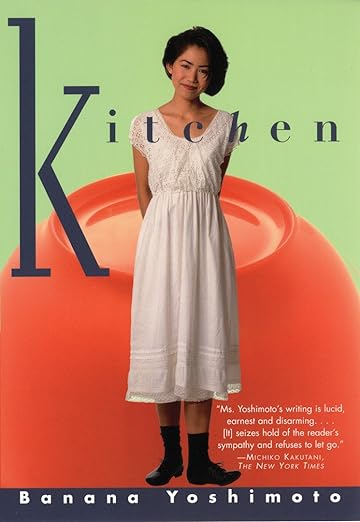
For six years, I have had a tradition: right around the beginning of December, when the Florida heat finally cools off, I slip my copy of Banana Yoshimoto’s “Kitchen” off the shelf and allow it to rekindle a warmth within my being. Translated in English by Megan Backus, the light, intricate, and mouth-watering prose of the novella has delighted me endlessly.

Izidora Angel works magic with words. Her latest translation from Bulgarian, Rene Karabash’s “She Who Remains” (forthcoming from Sandorf Passage and Peirene Press in early 2026) ensnares you into a contemporary world of ancient patriarchal law and guides you through its perilous territory on an intense journey of identity (trans)formation, family commitment, and love. In this interview, Angel unravels some of the mysteries behind “She Who Remains,” discusses her choices and decisions as a translator, and hints at some of her own creative writing projects.
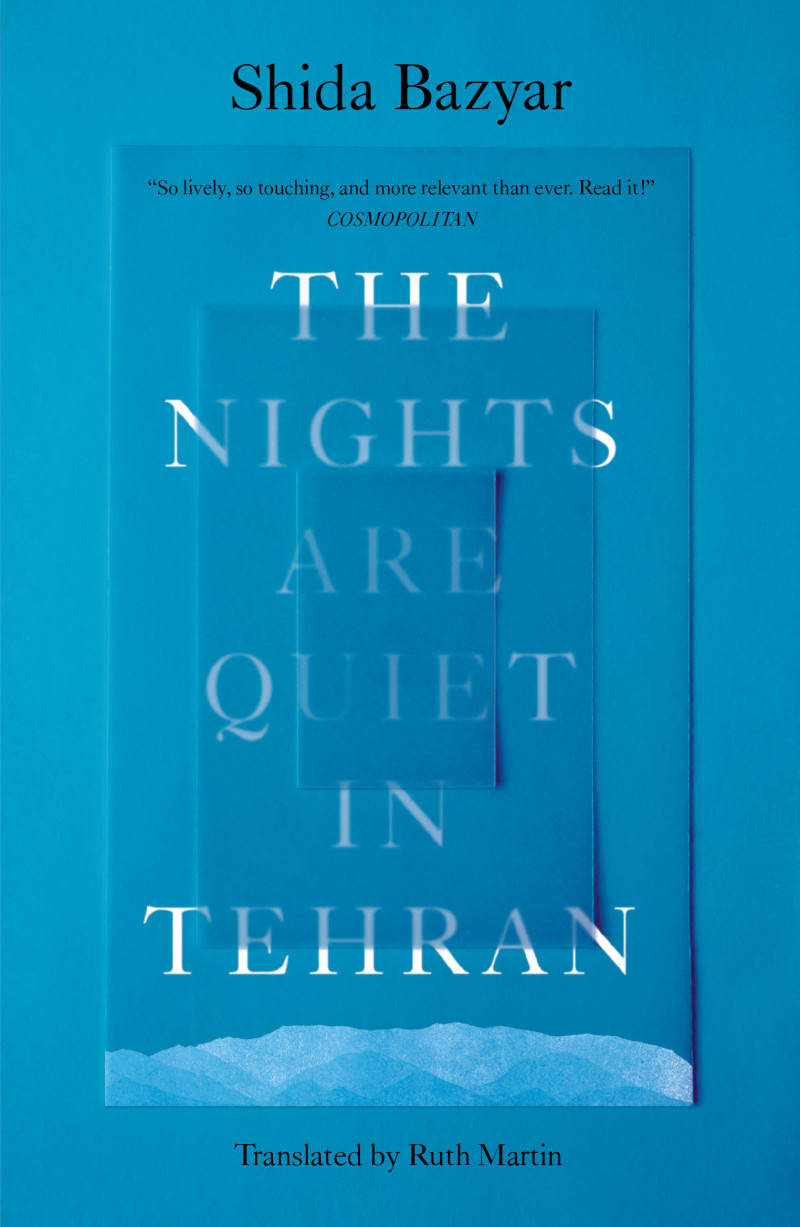
“The Nights Are Quiet in Tehran” fits the family novel mold in many ways: it spans generations, explores inherited trauma, and depicts the effects of politics on a family. Yet unlike most family novels, where politics serves as a backdrop and is gradually revealed as the story unfolds, here the reader is plunged directly into the political events from the outset.
The plot of Katherine Gregor’s translation of Cécile Tlili’s “Just a Little Dinner” unfolds in an apartment in Paris at the end of August. It follows the dramas of two couples at a dinner party organized by Étienne, who hopes to strike a business deal with his guest, Johar. he novel’s title becomes more ironic as the story unravels. Death and transformation fill the apartment’s space, making the scene much more than “just a little dinner.”

Nicolas Pasternak-Slater and Maya Slater have recently completed their translation of one of Tolstoy’s best-known and most widely read novels, “Anna Karenina” (scheduled to be published in 2026 by the Folio Society). In this interview, Olga Kenton discusses with them the novel, obstacles that arose during the translation process, and the significance of engaging with Russian literature in the twenty-first century.
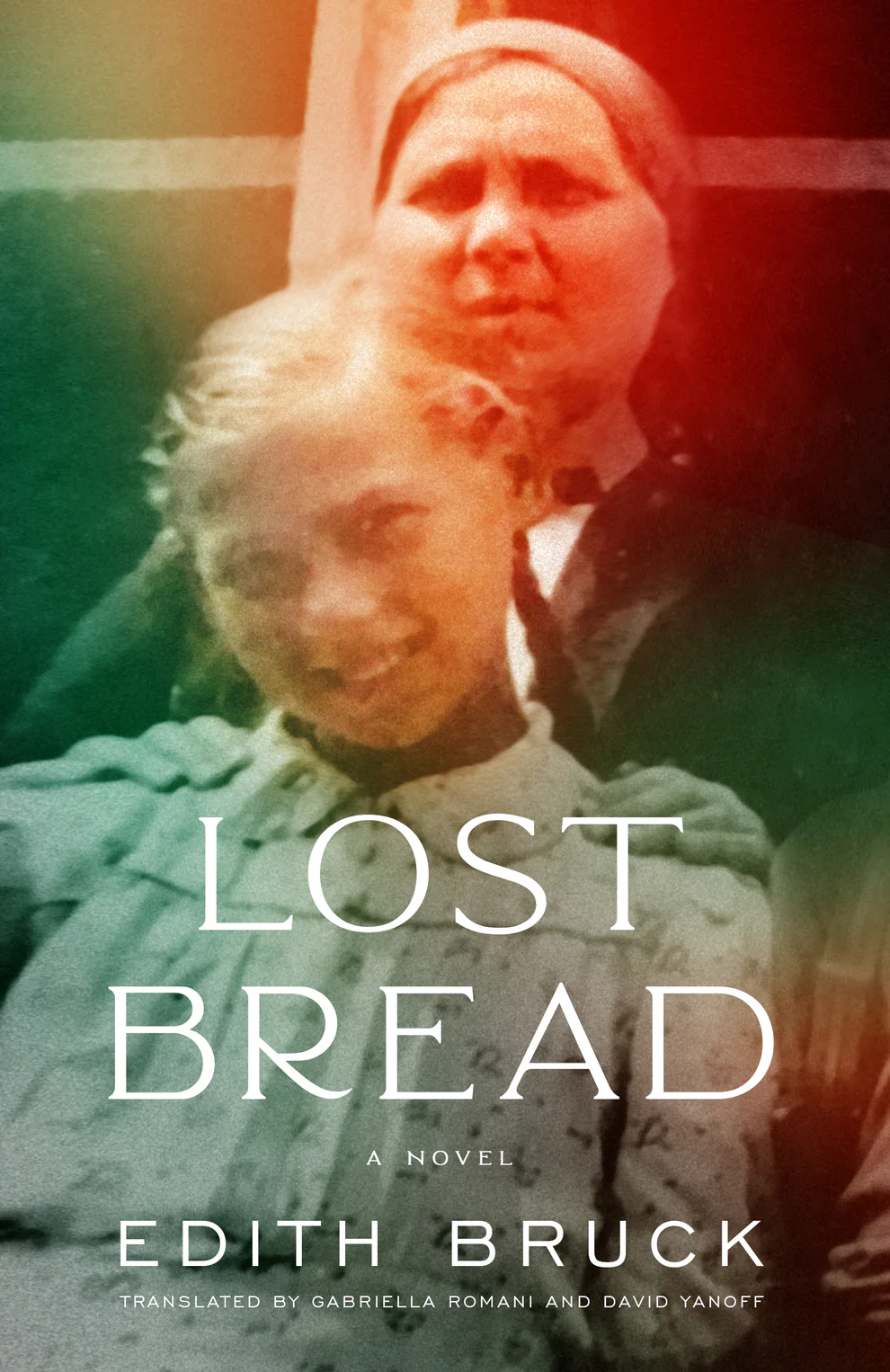
“Lost Bread” represents multilingual worlds, with Hungarian, Yiddish, German, Russian, Hebrew, Arabic, French, and other languages woven into the narrative and author’s life. Both the Italian and English translation have footnotes for some of the phrases that appear. The narrator’s relationships to these languages evolve throughout the work.
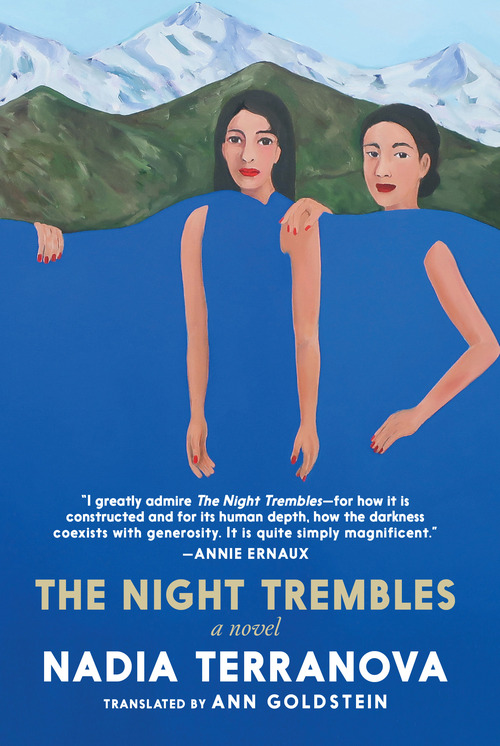
Nadia Terranova’s 2022 novel “The Night Trembles” (Trema la notte), translated in English by Ann Goldstein for Seven Stories Press (2025), gives voice to Barbara and Nicola, a young woman and a boy whose parallel plot lines develop against the background of a catastrophic natural disaster – the earthquake that decimated the cities of Messina and Reggio Calabria, on each side of the Strait of Messina, on December 28, 1908. Terranova, a contemporary Italian writer from Messina, has been mapping in her narratives the topographies of trauma – personal and collective – of her hometown and her native Sicily.

Bužarovska and Bradbury’s equivalents of food and drink illustrate the interplay between concision and elaboration in the English version. The concision often corresponds to the original phrasing, staying philologically close to the source, while the elaboration might constitute a gloss or simply revel in the possibilities of the target language.

Long before postmodern historical novels such as Italo Calvino’s “Invisible Cities” (1972), Umberto Eco’s “The Name of the Rose” (1980), Christa Wolf’s “Cassandra” (1983), and Salman Rushdie’s “The Enchantress of Florence” (2008) captivated readers with their imaginative, thoroughly researched, and carefully plotted recreation of the past, there was Vera Mutafchieva’s “The Case of Cem” (1967).
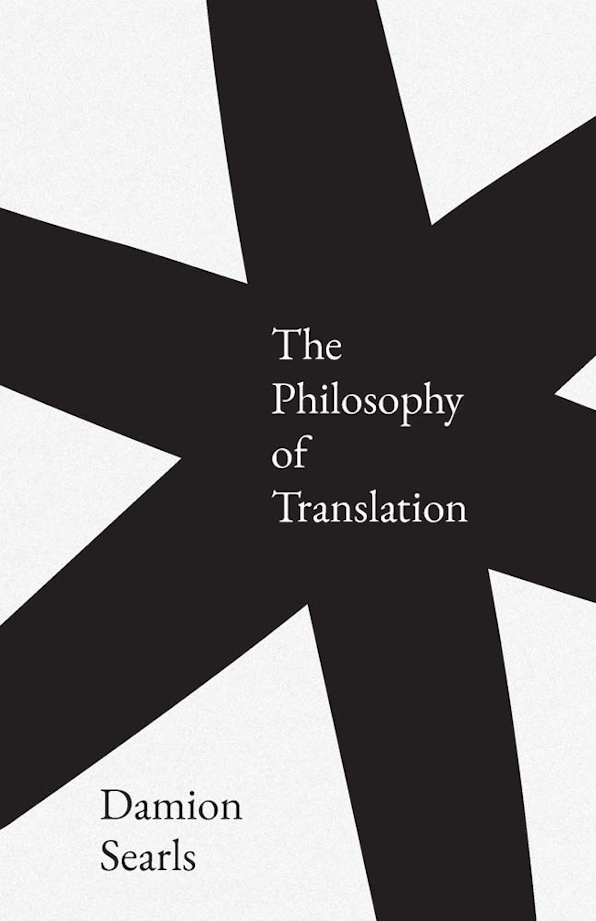
“The philosophical account of translation in this book is of what it means to read like a translator” (5) writes Damion Searls. Some might object that philosophy isn’t particularly good at describing reading (or writing, for that matter) and argue that one should prefer literary theory, but Searls enlists philosophers to describe what translators do (they read). Philosophy, moreover, usefully displaces translation ‘theory’ which too often, in his view, involves telling translators what they should or shouldn’t do.