

In November 2023, Robyn Creswell was awarded ALTA’s National Translation Award in Poetry for “The Threshold.” Nominally, this became the occasion for our interview, but as a longtime admirer of his work, I was excited to ask him not only about this collection, but about his broader philosophy and practice of translation.
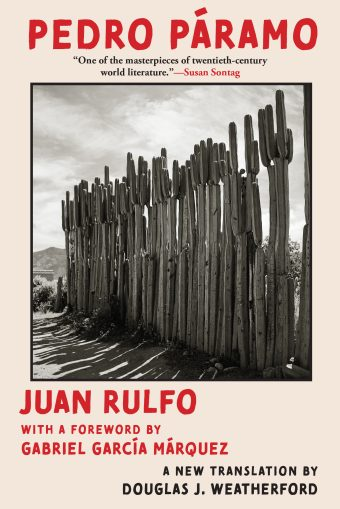
By Harrison Betz Running just 120-odd pages in its most recent English translation by Douglas J. Weatherford, Juan Rulfo’s Pedro Páramo is as dense as it is short. The novel revolves around its titular character, don Pedro Páramo, as he maneuvers his way to the heights of regional, ranchero power in Comala, a remote town […]
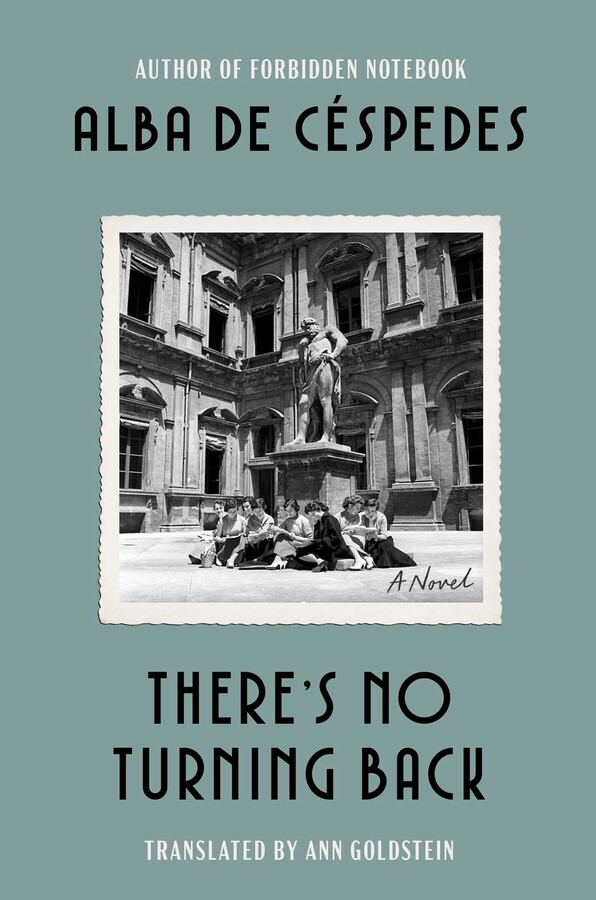
“There’s No Turning Back” is an interesting early novel, and if one reads carefully one can detect the ways in which De Céspedes is searching for a voice. This is not to say that the novel is flawed, or even disappointing as an early novel. Instead, it gives the reader a profound introduction into the themes and style De Céspedes would later develop as a more mature writer.

“Água viva” is an astounding exploration of language’s limitations and potential to communicate the ineffable. Via the experimental, stream-of-consciousness flow of the novel, Lispector reaches for the raw experience of existence beyond traditional storytelling, unifying form and content to affect not just the mind but the body. Stefan Tobler’s English translation keeps this intimate and visceral quality intact, preserving Lispector’s distinctive voice.
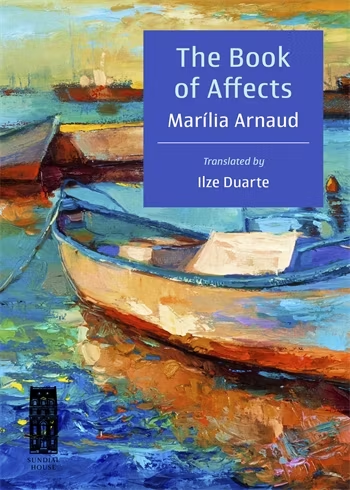
Rooted deeply in psychological realism, Arnaud’s expertly-paced stories delve into themes of death, betrayal, illicit affairs, and violence. Yet, they are not without moments of tenderness. Laced with suspense and emotional intensity, Arnaud’s writing evokes the interiority of Clarice Lispector and features plot twists worthy of Edgar Allan Poe, consistently delivering surprising endings.

“The Tokyo Suite” by Brazilian author Giovana Madalosso, translated from Portuguese by Bruna Dantas Lobato, is an ambitious novel. It explores and questions gender roles and expectations in marriage and caregiving, the very structure of traditional marriages, the demands and complexities of motherhood, the contradictions of life in the big city, and the inequities inherent in capitalism.

This call is not to assert that “For Bread Alone” is a poor translation. Instead, for a book whose translations have been so hotly contested and so politically bound, the more perspectives available for an Anglophone audience, the better these complexities can be elaborated and explored. To expect a single translation to capture every facet of a work is to set it up for failure, but Bowles’ alteration of Choukri’s nuanced critique of colonial violence and its impact on the everyday realities of Moroccan communities and individuals is not a loss the Anglophone readership should be expected to sustain. Whereas a single translation acts as a lens through which we view a slightly altered work, the existence of many translations promise to render this lens kaleidoscopic.
More than two years after its publication, Aydemir’s page-turner is still so popular and beloved among critics and readers alike that it gives shopkeepers grief about potentially lost business. Given this state of affairs, I would like to take Jon Cho-Polizzi’s admirably seamless and culturally cognizant English translation of this indubitably important book — according to him, “one of the definitive novels of our generation” (“Translator’s Introduction,” xvi) — as an occasion to work through some of my quandaries about and around the work.

The entire novel is permeated with a slimy quality, constantly infusing even unrelated passages with themes of the ever-present, stomach-churning schmoil. Dabos’ descriptions are vivid, often visceral and disgusting, which creates a greasy atmosphere in contrast to the vulnerability expressed by each narrator in this hostile school––a school actually based on Dabos’ own childhood school in the south of France, with prison-like architecture and filthy outdoor toilets.
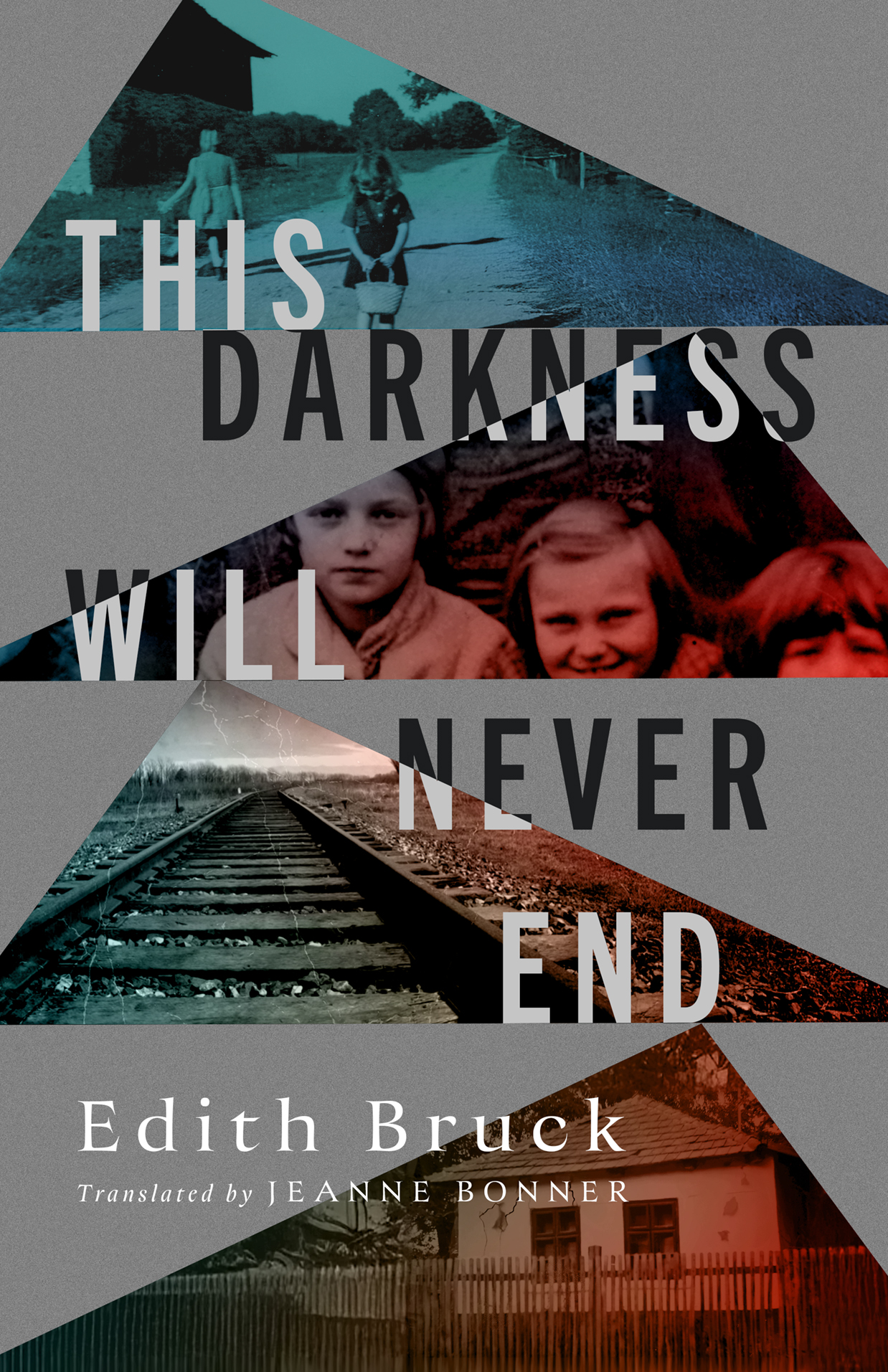
So on January 27, when the world marks the 80th anniversary of the liberation of Auschwitz, I will be thinking more than ever of Bruck’s words and the words of other women authors who survived the Holocaust. Of the 245,000 survivors left worldwide, 61 percent are women, according to the Claims Conference, which administers compensation from Germany on behalf of victims of the Nazis. But women’s accounts of surviving the Holocaust remain largely unknown.
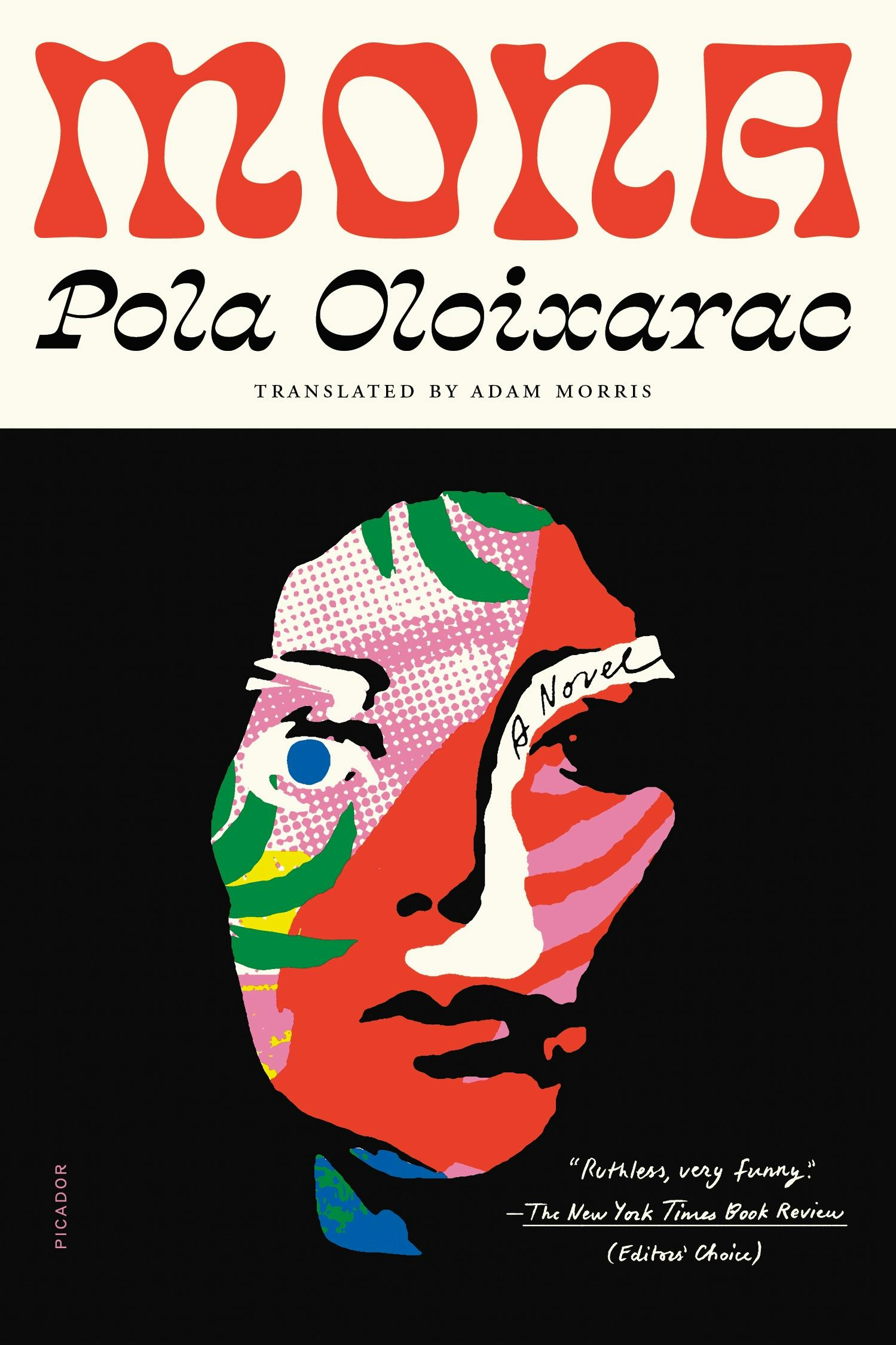
The satirical character of Oloixarac’s novel morphs into mystery when the forgotten pieces of Mona’s recent past come back to haunt her. Bringing “Mona” into English posed an interesting challenge for the translator. Having never worked with humor, Morris’ task was to find a way to carry over the often-cruel satirical content of the novel.
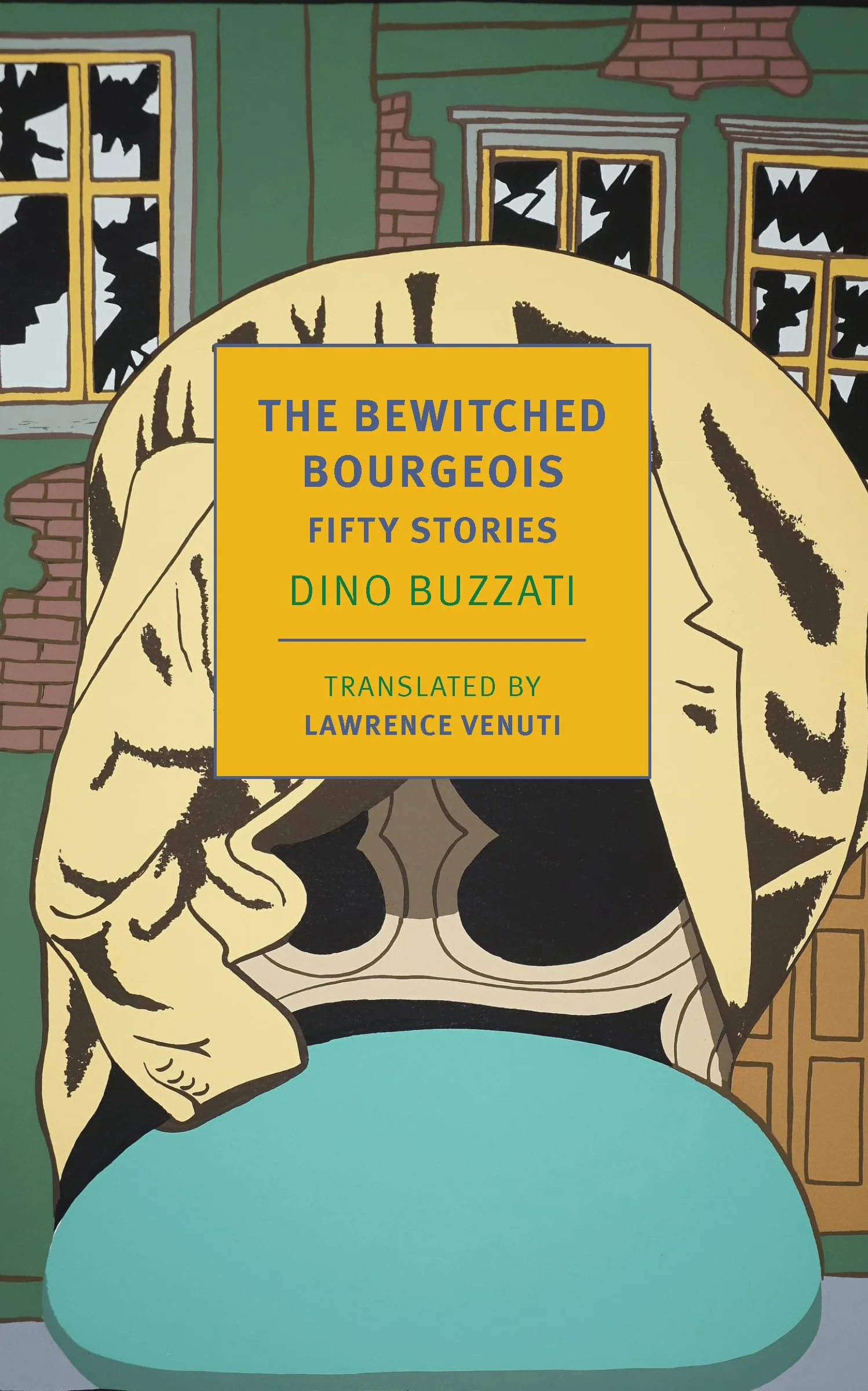
New York Review Books has been relaunching Dino Buzzati’s writing in English, bringing out new translations as well as reprints, and I am assembling a retrospective selection of fifty stories. The Italian texts pose unique challenges to a translator, partly because they were written some time ago (1930s-1970s), but also because the fantastic is perhaps the most subversive of narrative discourses, resistant to understanding, or indeed any form of interpretive control. It establishes an unreal world that disrupts dominant notions of what is real, making them seem variously unfamiliar, questionable, irrational – i.e., unreal in turn. Can this unsettling effect, I wonder, be recreated in a translation of Buzzati’s stories today, many decades after they were first published in Italian?
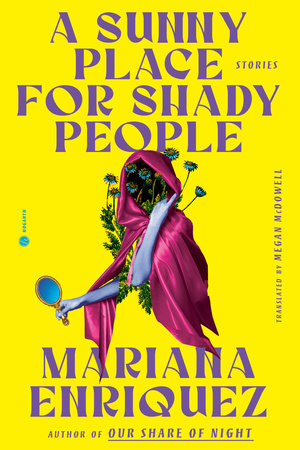
A Sunny Place for Shady People: Stories is Mariana Enriquez’s follow-up to her brilliant and terrifying novel “Our Share of the Night.” This new collection is a triumphant return to the short form, a return that still contains the horror and sophistication of her novel but in more digestible bites. Readers of Enriquez will recognize her exploration of horror in this collection, all the while offering something new, something frighteningly comprehensible and insightful into our contemporary human condition.
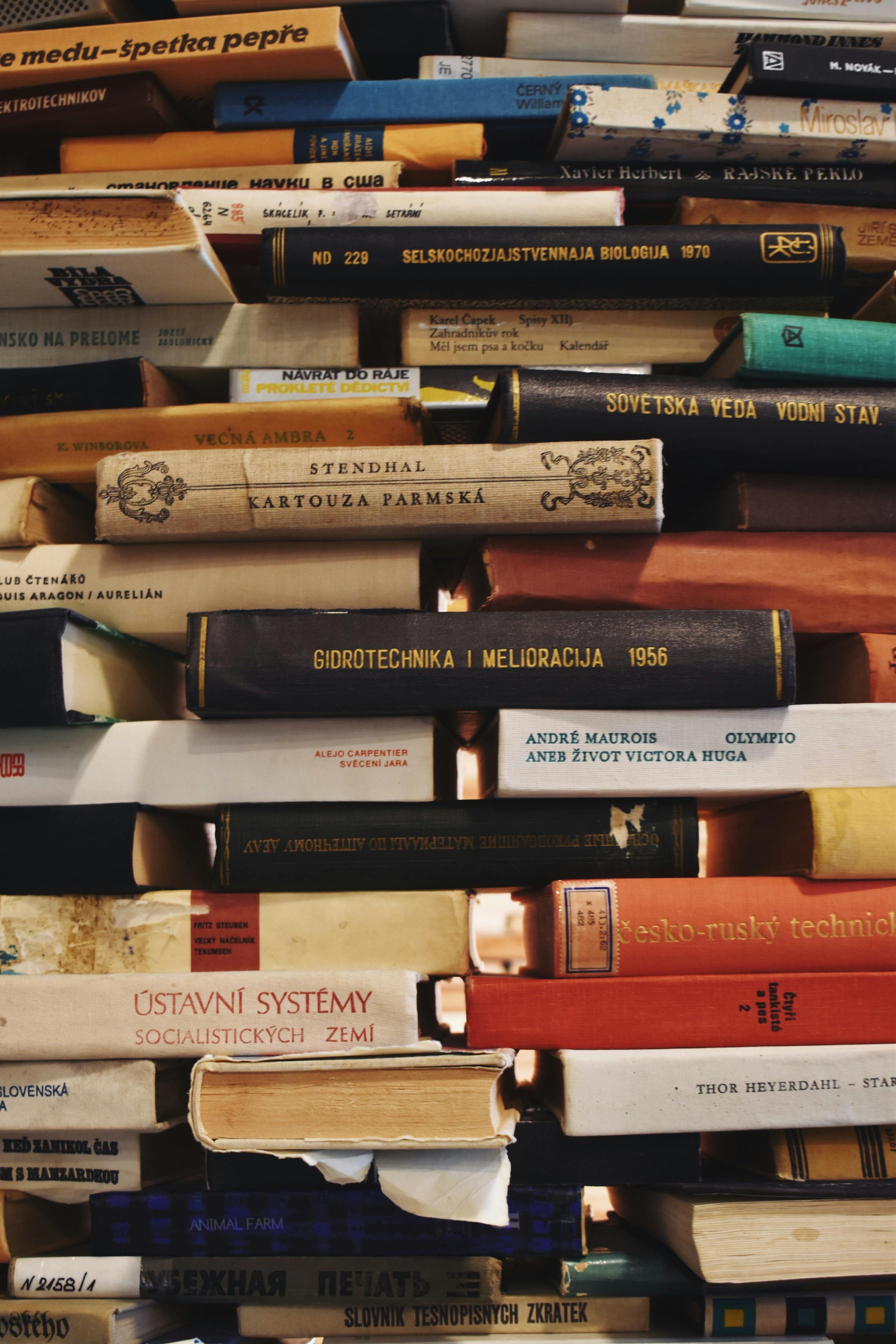
Exophonic translators question not only the equation language and culture, but also the motives driving the translation of a certain work of literature in a certain language. The motives rest in the translator’s “language biography,” a complex and fascinating intersection of personal experiences, bodily encounters and relationships with languages and texts, as well as subjective perception of languages and cultures. In other words, with exophonic translators, the focus is not on the translated text, but on the translators themselves. This shift of focus from text to translator has led to the creation of a new sub field of Translation Studies, called Translator Studies, investigating the lived experiences of individual translators, or their Spracherleben.
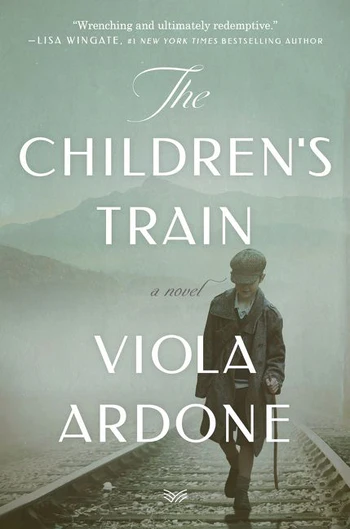
Viola Ardone’s international bestseller “The Children’s Train,” translated in English by Clarissa Botsford, offers a touching glimpse into post-war Italy’s “happiness trains” (i treni della felicità). Part of a relief effort organized by the Italian Communist Party, these trains sent 70,000 impoverished children from southern Italy to live temporarily with families in the north. Through a blend of historical detail and imaginative storytelling, Ardone tells the tale of one child, Amerigo Speranza, and how his experience with the children’s train shapes his life.