
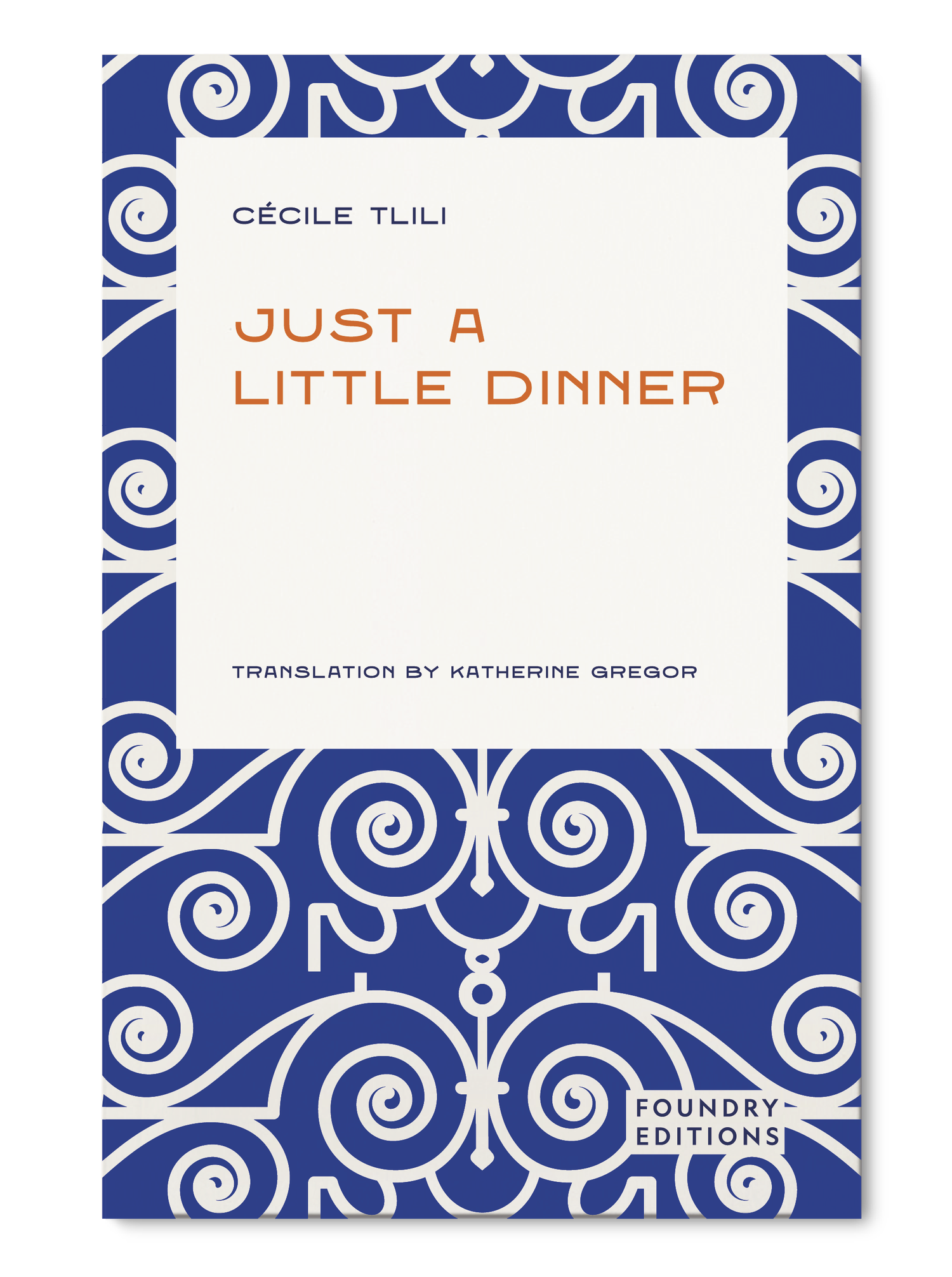
The plot of Katherine Gregor’s translation of Cécile Tlili’s “Just a Little Dinner” unfolds in an apartment in Paris at the end of August. It follows the dramas of two couples at a dinner party organized by Étienne, who hopes to strike a business deal with his guest, Johar. he novel’s title becomes more ironic as the story unravels. Death and transformation fill the apartment’s space, making the scene much more than “just a little dinner.”

Nicolas Pasternak-Slater and Maya Slater have recently completed their translation of one of Tolstoy’s best-known and most widely read novels, “Anna Karenina” (scheduled to be published in 2026 by the Folio Society). In this interview, Olga Kenton discusses with them the novel, obstacles that arose during the translation process, and the significance of engaging with Russian literature in the twenty-first century.
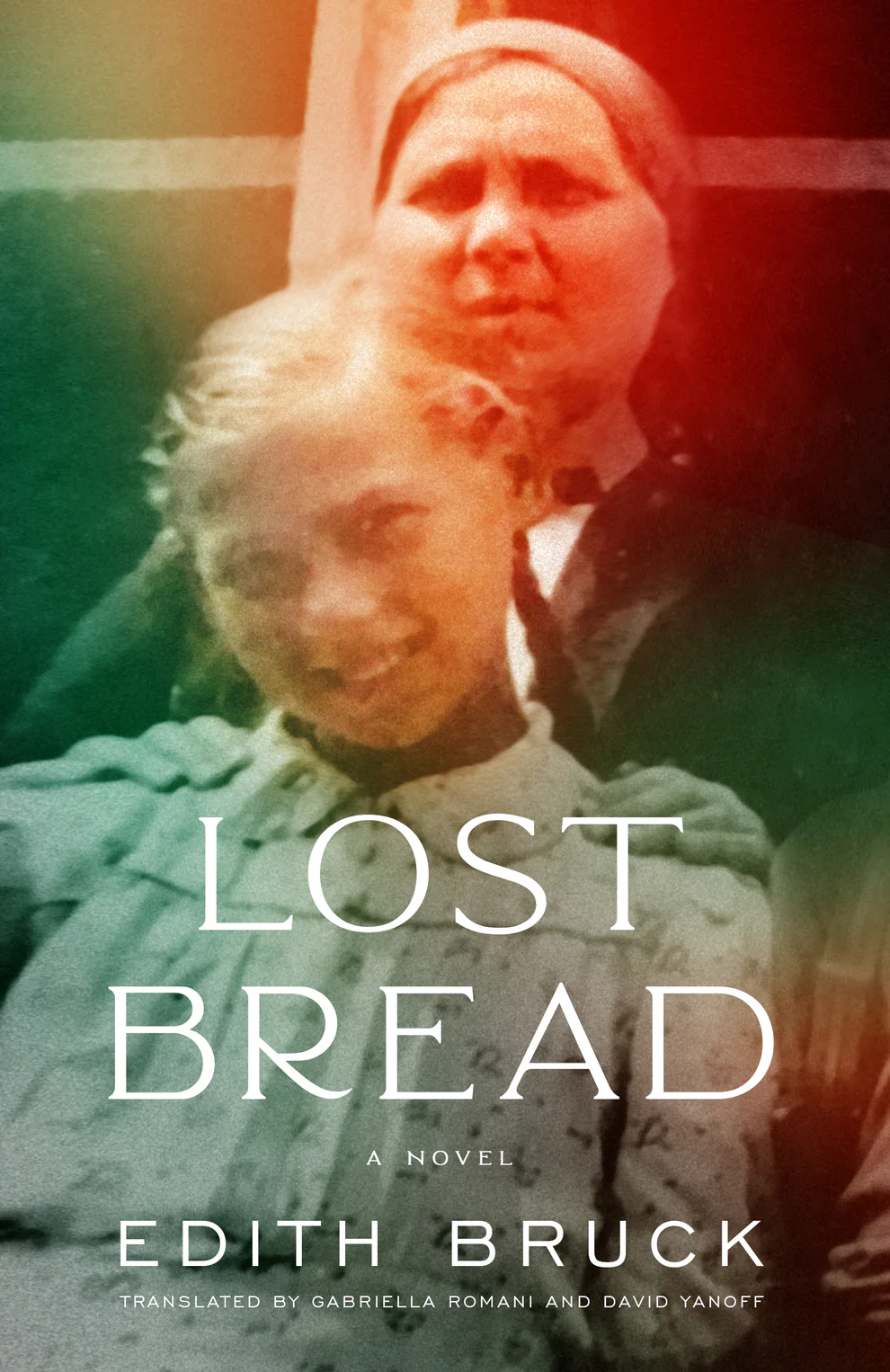
“Lost Bread” represents multilingual worlds, with Hungarian, Yiddish, German, Russian, Hebrew, Arabic, French, and other languages woven into the narrative and author’s life. Both the Italian and English translation have footnotes for some of the phrases that appear. The narrator’s relationships to these languages evolve throughout the work.
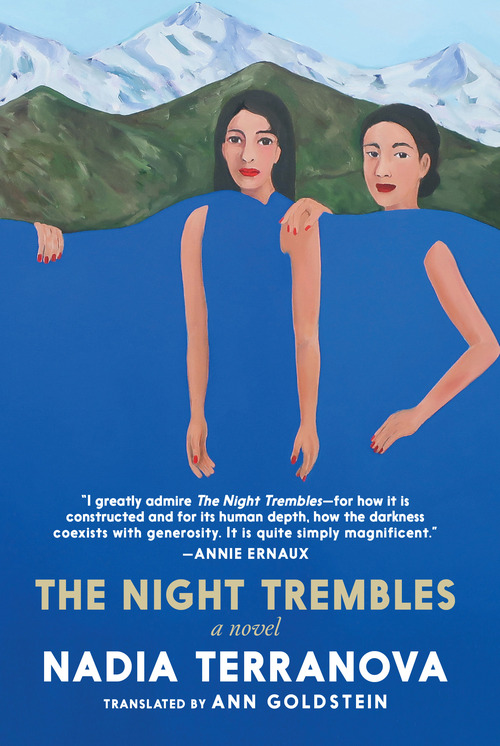
Nadia Terranova’s 2022 novel “The Night Trembles” (Trema la notte), translated in English by Ann Goldstein for Seven Stories Press (2025), gives voice to Barbara and Nicola, a young woman and a boy whose parallel plot lines develop against the background of a catastrophic natural disaster – the earthquake that decimated the cities of Messina and Reggio Calabria, on each side of the Strait of Messina, on December 28, 1908. Terranova, a contemporary Italian writer from Messina, has been mapping in her narratives the topographies of trauma – personal and collective – of her hometown and her native Sicily.

Bužarovska and Bradbury’s equivalents of food and drink illustrate the interplay between concision and elaboration in the English version. The concision often corresponds to the original phrasing, staying philologically close to the source, while the elaboration might constitute a gloss or simply revel in the possibilities of the target language.

Long before postmodern historical novels such as Italo Calvino’s “Invisible Cities” (1972), Umberto Eco’s “The Name of the Rose” (1980), Christa Wolf’s “Cassandra” (1983), and Salman Rushdie’s “The Enchantress of Florence” (2008) captivated readers with their imaginative, thoroughly researched, and carefully plotted recreation of the past, there was Vera Mutafchieva’s “The Case of Cem” (1967).
“The philosophical account of translation in this book is of what it means to read like a translator” (5) writes Damion Searls. Some might object that philosophy isn’t particularly good at describing reading (or writing, for that matter) and argue that one should prefer literary theory, but Searls enlists philosophers to describe what translators do (they read). Philosophy, moreover, usefully displaces translation ‘theory’ which too often, in his view, involves telling translators what they should or shouldn’t do.

In November 2023, Robyn Creswell was awarded ALTA’s National Translation Award in Poetry for “The Threshold.” Nominally, this became the occasion for our interview, but as a longtime admirer of his work, I was excited to ask him not only about this collection, but about his broader philosophy and practice of translation.
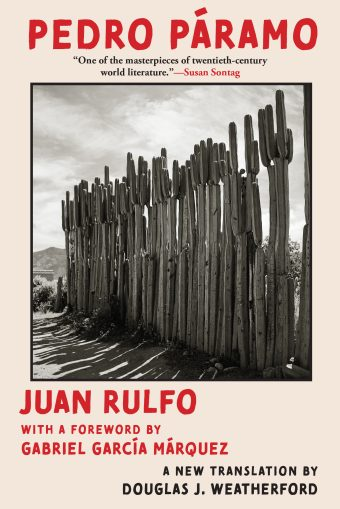
By Harrison Betz Running just 120-odd pages in its most recent English translation by Douglas J. Weatherford, Juan Rulfo’s Pedro Páramo is as dense as it is short. The novel revolves around its titular character, don Pedro Páramo, as he maneuvers his way to the heights of regional, ranchero power in Comala, a remote town […]
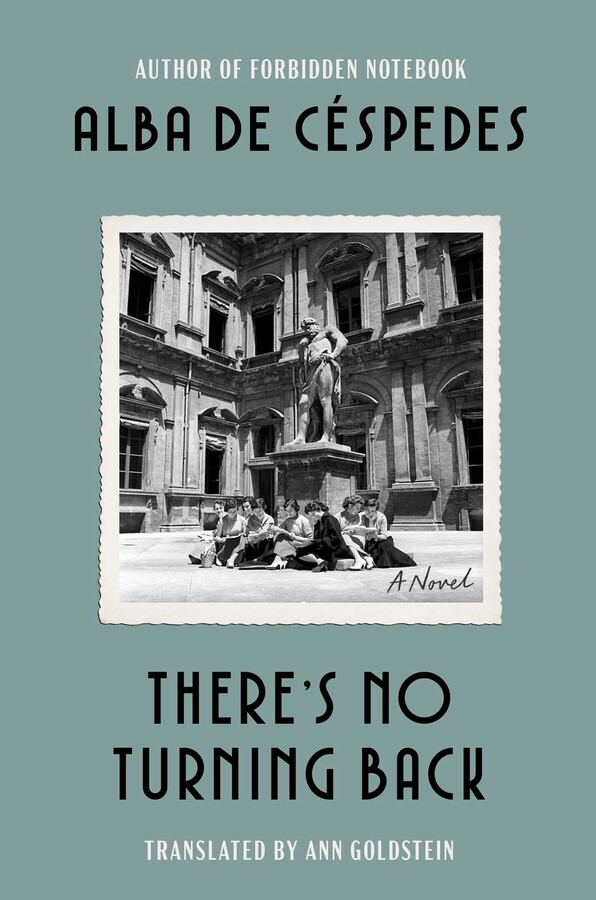
“There’s No Turning Back” is an interesting early novel, and if one reads carefully one can detect the ways in which De Céspedes is searching for a voice. This is not to say that the novel is flawed, or even disappointing as an early novel. Instead, it gives the reader a profound introduction into the themes and style De Céspedes would later develop as a more mature writer.

“Água viva” is an astounding exploration of language’s limitations and potential to communicate the ineffable. Via the experimental, stream-of-consciousness flow of the novel, Lispector reaches for the raw experience of existence beyond traditional storytelling, unifying form and content to affect not just the mind but the body. Stefan Tobler’s English translation keeps this intimate and visceral quality intact, preserving Lispector’s distinctive voice.
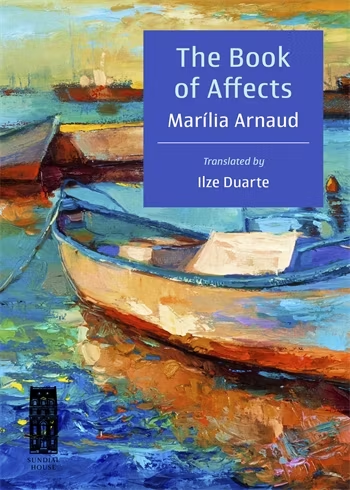
Rooted deeply in psychological realism, Arnaud’s expertly-paced stories delve into themes of death, betrayal, illicit affairs, and violence. Yet, they are not without moments of tenderness. Laced with suspense and emotional intensity, Arnaud’s writing evokes the interiority of Clarice Lispector and features plot twists worthy of Edgar Allan Poe, consistently delivering surprising endings.

“The Tokyo Suite” by Brazilian author Giovana Madalosso, translated from Portuguese by Bruna Dantas Lobato, is an ambitious novel. It explores and questions gender roles and expectations in marriage and caregiving, the very structure of traditional marriages, the demands and complexities of motherhood, the contradictions of life in the big city, and the inequities inherent in capitalism.

This call is not to assert that “For Bread Alone” is a poor translation. Instead, for a book whose translations have been so hotly contested and so politically bound, the more perspectives available for an Anglophone audience, the better these complexities can be elaborated and explored. To expect a single translation to capture every facet of a work is to set it up for failure, but Bowles’ alteration of Choukri’s nuanced critique of colonial violence and its impact on the everyday realities of Moroccan communities and individuals is not a loss the Anglophone readership should be expected to sustain. Whereas a single translation acts as a lens through which we view a slightly altered work, the existence of many translations promise to render this lens kaleidoscopic.
More than two years after its publication, Aydemir’s page-turner is still so popular and beloved among critics and readers alike that it gives shopkeepers grief about potentially lost business. Given this state of affairs, I would like to take Jon Cho-Polizzi’s admirably seamless and culturally cognizant English translation of this indubitably important book — according to him, “one of the definitive novels of our generation” (“Translator’s Introduction,” xvi) — as an occasion to work through some of my quandaries about and around the work.